



Every property preservation operator knows spring is busy.
What’s changed is what’s at stake.
In 2026, spring is no longer just about clearing winter debris or knocking out work orders. It’s the point where asset condition either stabilizes or starts slipping across your portfolio. And once it slips, you’re not catching up. You’re managing fallout.
Winter Doesn’t End Clean. It Lingers in the Asset
By the time spring hits, most of the damage is already there. It just hasn’t fully revealed itself yet.
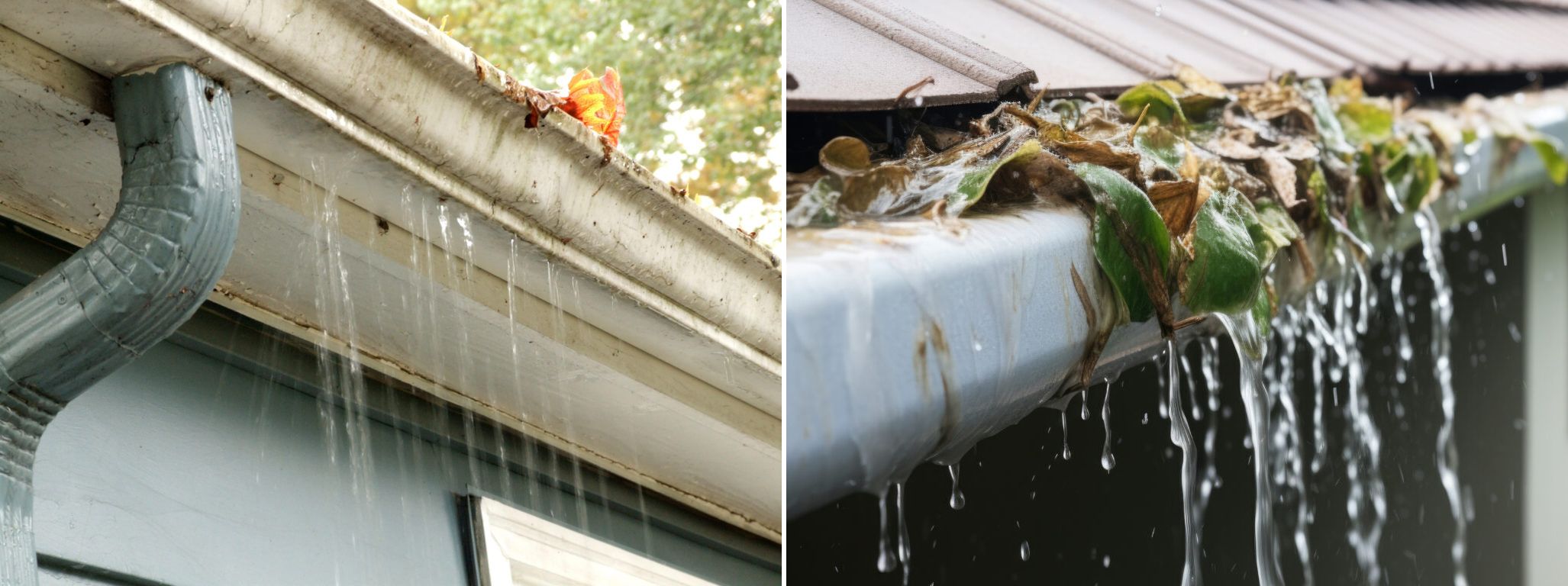
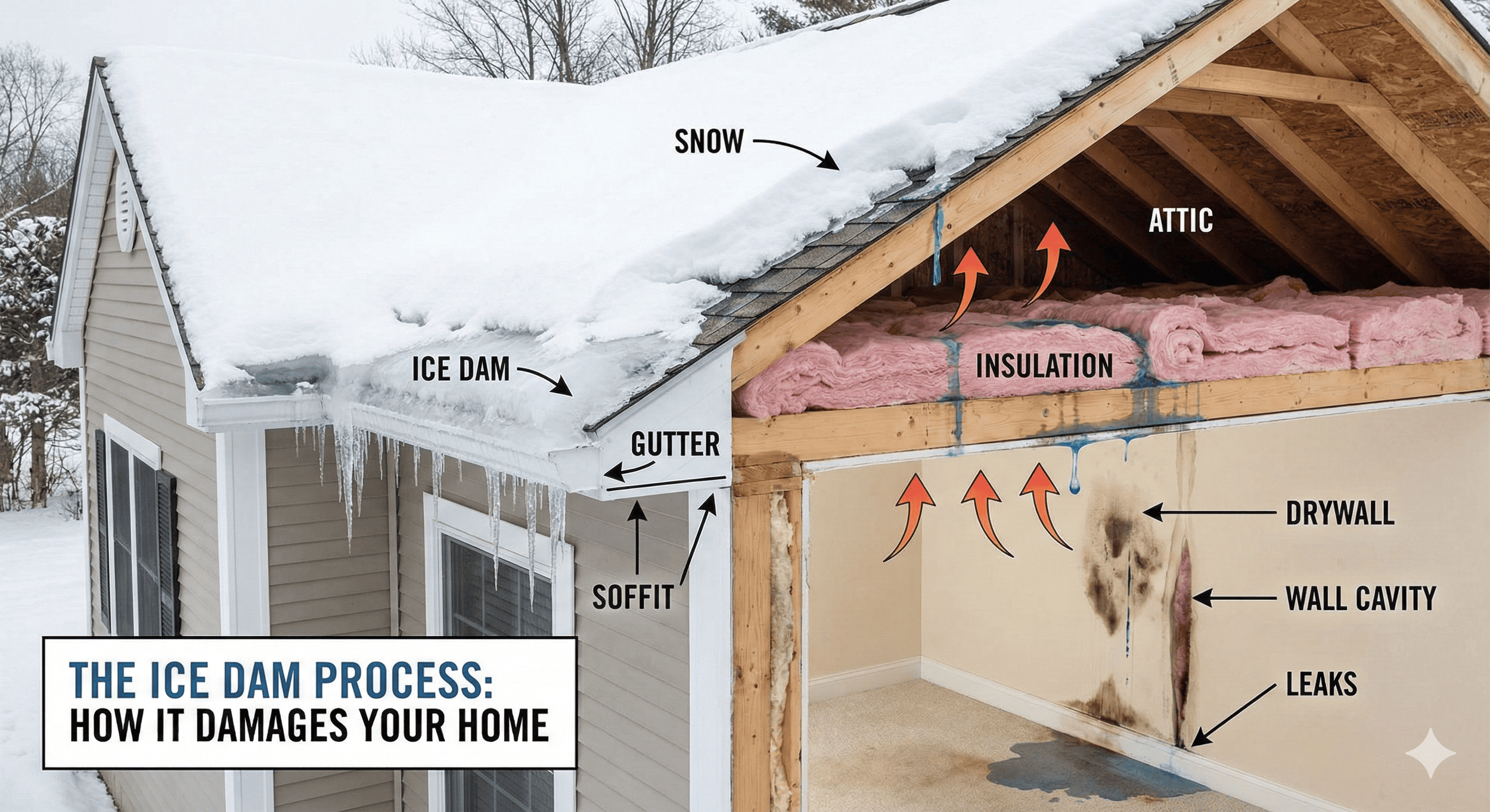
Freeze-thaw cycles have already stressed roofing systems, expanded foundation cracks, and weakened exterior surfaces. As temperatures rise, snow melt and seasonal rain start pushing moisture into those vulnerabilities. What looked stable in February becomes a leak, a soft spot, or a drainage issue by April.
This is why industry guidance consistently emphasizes early spring inspections as critical for identifying water intrusion risks and structural concerns before they escalate into larger repairs.
For preservation teams managing REO, SFR portfolios, or default assets, this isn’t theoretical. It shows up in the form of:
- Interior moisture damage from unnoticed roof failures
- Basement seepage tied to poor grading or blocked drainage
- Fascia, soffit, and siding deterioration from trapped moisture
If you miss it now, you’re not just fixing it later. You’re absorbing a higher cost version of the same problem.
What’s Actually Driving More Work This Spring
There are a few shifts happening right now that are increasing pressure on preservation teams.
First, more owners are holding properties instead of selling. That means increased focus on maintaining and improving existing homes rather than turning them quickly.
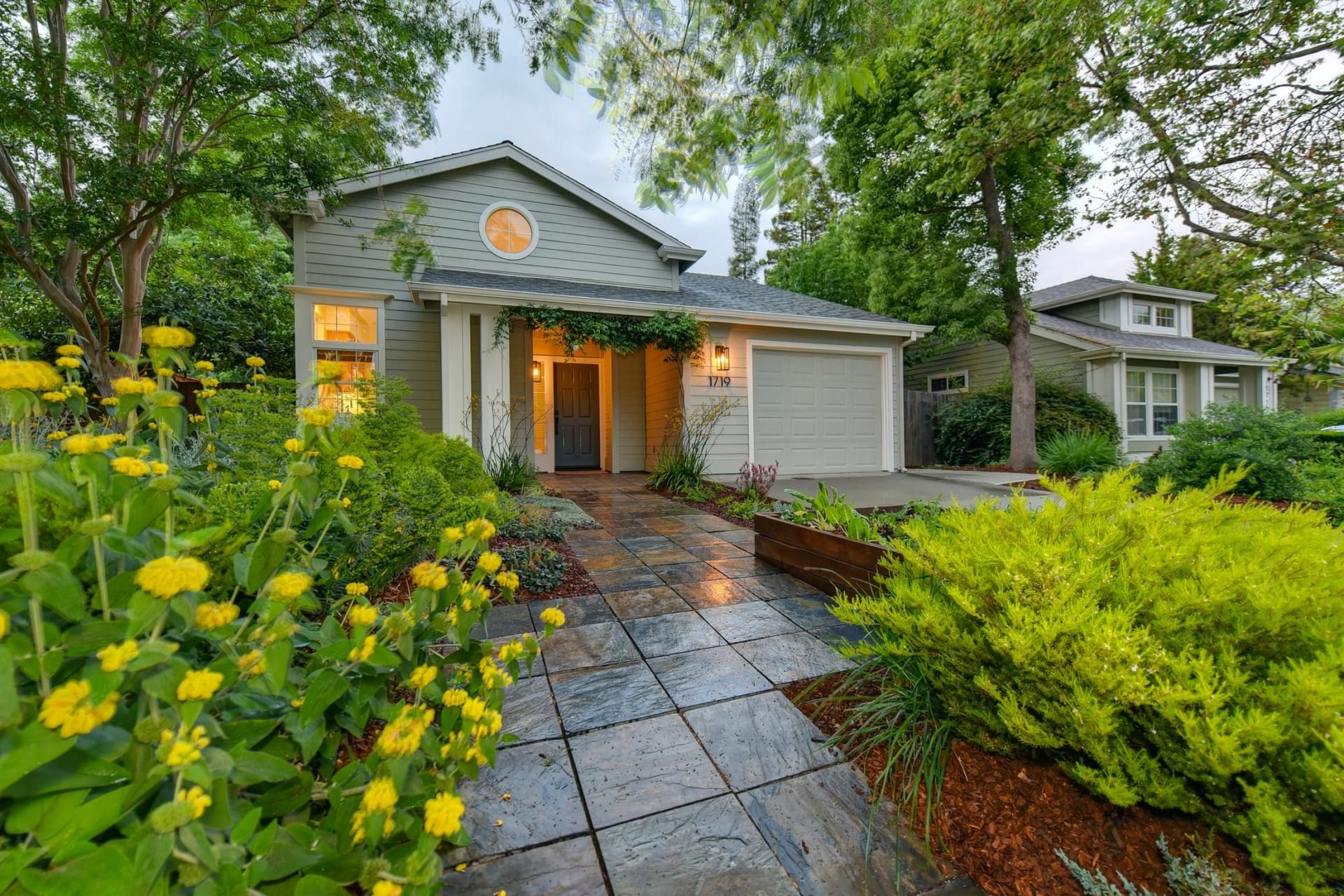
Second, exterior condition is under more scrutiny than ever. Curb appeal, drainage, and landscaping are directly tied to both rental demand and resale value.
Third, there’s a clear move toward low-maintenance and sustainable landscaping. Native plants, better grading, and water management systems are becoming standard expectations, not upgrades.
Industry data shows continued investment in home improvement and exterior upgrades heading into 2026, reinforcing the need for consistent property upkeep.
For preservation teams, that translates into more scope, more oversight, and more need for verification.
Where Things Start to Break Down in the Field
Here’s the part that doesn’t get talked about enough.
Most preservation issues are not caused by lack of effort. They’re caused by lack of visibility.
You assign a vendor. The work order gets marked complete. Photos come in, sometimes late, sometimes incomplete. By the time something looks off, you’re already behind.
Across scattered residential assets, this compounds quickly.
A missed gutter issue becomes interior damage.
A drainage problem turns into foundation impact.
A delayed repair extends a vacancy or affects disposition.
Even industry resources highlight that delayed reporting and inconsistent communication are key contributors to escalating maintenance costs.
At scale, you don’t have a maintenance problem.
You have a verification problem.
Where ProxyPics Fits Into Residential Preservation Workflows
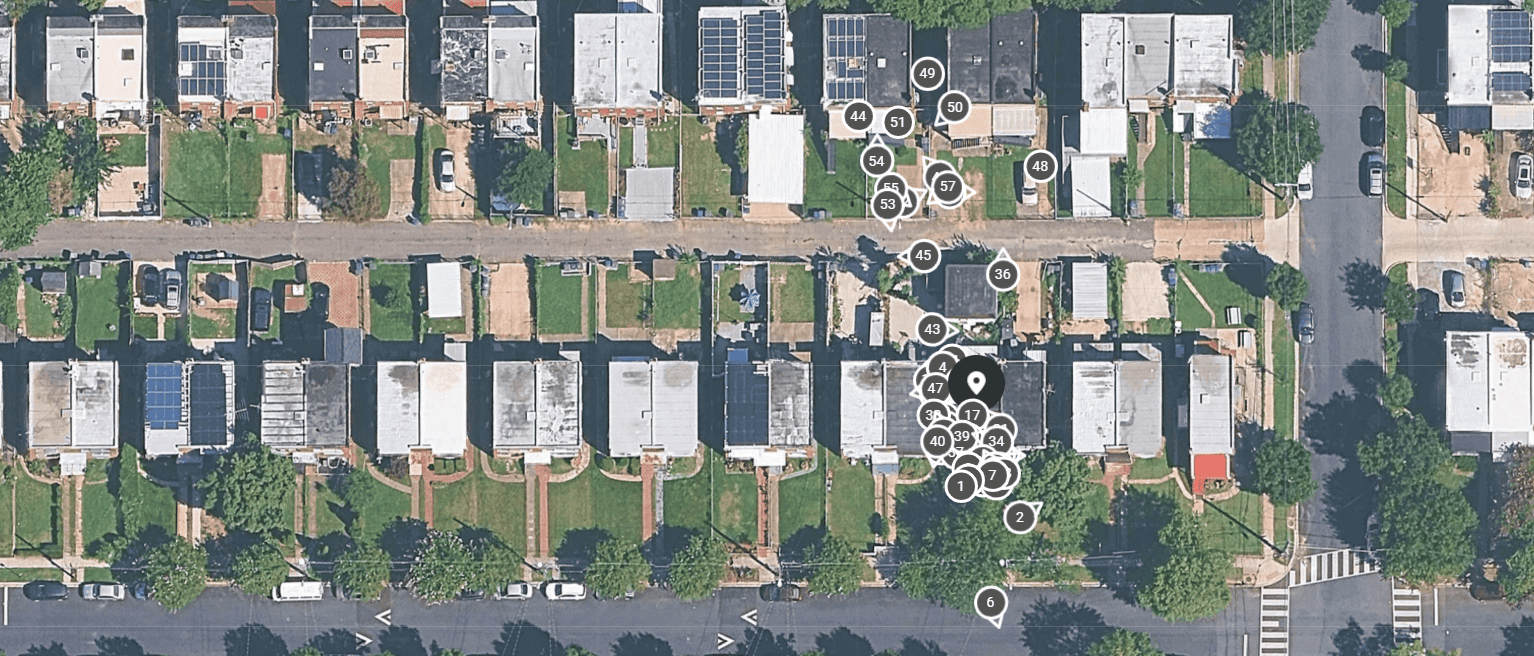
Spring is when volume spikes. More inspections, more vendors, more moving parts across more homes.
ProxyPics is built to support that exact moment by giving you on-demand visibility into property condition.
Instead of waiting on updates or relying on incomplete documentation, you can:

- Dispatch a local data collector for same-day site verification
- Capture geotagged, timestamped photos and video tied to the exact property
- Use custom checklists aligned with your preservation scope
- Document both interior and exterior condition in a single visit
- Layer in View360, floor plans, or damage-focused capture when needed
This is not about replacing your preservation vendors.
It’s about giving you a way to verify what’s happening across them.
What This Looks Like in Real Spring Scenarios
In practice, this becomes:
- Confirming roof and gutter condition immediately after snow melt
- Verifying drainage and grading before heavy spring rain
- Checking landscaping and exterior condition ahead of listing or leasing
- Validating vendor completion with clear, time-stamped proof
- Documenting interior condition for REO or rental turn readiness
Instead of reacting to issues weeks later, you’re catching them while they’re still manageable.
The Reality Going Into the Rest of 2026
Spring is not where property issues begin.
It’s where they become visible.
The operators who treat spring as a data and verification window, not just a maintenance cycle, are the ones who stay ahead. They reduce rework, protect asset value, and move faster across their portfolios.
The ones who don’t end up chasing the same problems at a higher cost, across more properties, for the rest of the year.
That gap is only getting wider.
Book your first site visit below!